

10 Best ways to Organise your Kitchen
The easiest way to organise your kitchen is to edit what you own, group items by task, and give each category an accessible home. This approach works in kitchens of different sizes because function matters more than a picture-perfect look. A kitchen work zone is an area arranged around one kitchen task, with the tools and supplies for that task close at hand.
When everyday items have a clear place, you spend less time searching and more time cooking, serving, and cleaning. Work zones and thoughtful storage choices can make even a crowded room feel easier to use. You do not need to buy a matching set of containers or make every shelf look alike. Start with the storage problem that causes the most friction in your daily routine.
Key Takeaways
- Remove expired, damaged, duplicate, and rarely used belongings.
- Group items by the task you use them for.
- Store everyday tools close to where you use them.
- Use vertical storage to make cabinet shelves work harder.
- Measure cabinets before buying organizers or pull-outs.
- Keep a clear counter area for food preparation.
Where Should You Start With a Kitchen Reset?

Begin with the drawer or cabinet that interrupts a routine you do almost every day. Small starting areas are easier to finish, and they help you see what your kitchen organization needs before you shop.
The Home Edit kitchen organization method has three parts: edit belongings, group them by category, and contain them in storage solutions. Use that order, but plan the storage before buying bins. Buy supplies only after you know what needs a home and where it will go.
Keep the first pass small enough to finish before emptying another area.
Expired food, duplicates, damaged items, and belongings you rarely use are candidates to remove. Make a quick plan for what remains, then test it during a familiar routine.
- Identify daily friction points, such as a crowded utensil drawer.
- Inventory belongings in the area you chose.
- Map each category to a storage spot.
- Test the setup against regular tasks.
- List needed supplies after planning the layout.
For example, check whether you can find a spatula while cooking and return it without moving other tools. A practical order for the reset prevents unnecessary storage purchases. Keep the first pass small enough to finish before emptying another area.
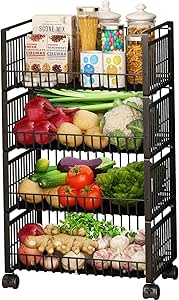
Store your stuff in stackable containers


Store your ingredients in style


Build Zones Around Daily Kitchen Tasks
A kitchen works more smoothly when the supplies for each regular task are stored close to where that task happens. A kitchen work zone is an area arranged around one kitchen task, with the tools and supplies for that task close at hand.
Place frequently used items near the task where you use them. The kitchen work triangle, which connects the sink, stove, and refrigerator, is a useful starting point. Your habits and daily points of friction should guide the final layout.
- Food preparation: keep a cutting board and knives near your usual prep counter.
- Cooking: store spatulas and pans close to the stove.
- Cleaning: keep dish soap and scrubbers near the sink.
- Consumables storage: group pantry food and spices by category.
- Non-consumables storage: keep plates and glasses together near the dishwasher.
These five common zones make a kitchen layout easier to judge than a row of cabinets considered one by one. You can use kitchen cabinets for more than one zone when space is tight. Put dishware near the sink or dishwasher if that shortens the trip between washing and putting it away.
A small change can improve a routine without adding storage space. If you prep food far from the stove, place frequently used cooking tools where you can reach them from your regular prep area. Adjust any zone that makes a familiar task less convenient, even if it looks tidy on paper.
How to Organise Kitchen Cabinets and Drawers


A drawer stays easier to use when each small tool has a defined space and long utensils have room to lie separately. Mix-and-match inserts suit cutlery and small gadgets, while expandable dividers suit oversized utensils.
Use a drawer organizer with compartments that match the items you keep, rather than forcing every tool into one standard tray. The Home Edit recommends arranging inserts in several sizes around silverware and cooking utensils. Choose an insert that leaves enough room for the drawer to move freely.
Fit Drawer Inserts to Cutlery and Small Tools


Sort cutlery into separate sections so forks, spoons, and knives are easy to grab. Small gadgets, such as peelers and measuring spoons, can use smaller inserts beside the cutlery. The Home Edit Narrow Drawer measures 3-5/8 by 11-1/2 by 3-5/8 inches high, while its Large Drawer measures 14 by 10-3/4 by 6-3/4 inches.
The kitchen-cabinet-organizers-on-amazon-2026/" rel="noopener noreferrer" target="_blank" data-id="2">Pipishell Bamboo Expandable Drawer Organizer adjusts from about 13 to 19.5 inches wide. The Container Store Bamboo Drawer Organizer expands from 18 to 22.25 inches long and installs by compressing its spring-loaded end. It scored 5/5 in a comparison of three adjustable bamboo drawer dividers.
Separate Long Cooking Tools and Utility Items

Long spoons, tongs, and spatulas often do not fit neatly in small compartments. Expandable drawer dividers can se?parate these larger tools without forcing them into undersized spaces. A divider also helps keep utility items apart from cutlery, so you can reach for one without shifting the rest.
| Organizer | Stated dimensions or adjustment | Useful fit detail |
| Pipishell Bamboo Expandable Drawer Organizer | About 13-19.5 inches wide | Expands across a range of drawer widths |
| Container Store Bamboo Drawer Organizer | 18-22.25 inches long | Spring-loaded end holds it in place |
| The Home Edit Narrow Drawer | 3-5/8 by 11-1/2 by 3-5/8 inches high | Narrow form for small tools |
| The Home Edit by iDesign Large Drawer | 14 by 10-3/4 by 6-3/4 inches | Room for larger kitchen items |
Check that an insert leaves enough clearance for the drawer to open and close freely.
Keep Pantry Food, Spices, and Containers in Reach


A deep cabinet is easier to manage when small jars and pantry items stay visible instead of disappearing behind one another. A turntable helps you reach spices and cooking oils in awkward or deep cabinets. Visibility also makes it easier to spot what needs replacing.
Keep newer food behind older food so older items get used first. This rotating pantry system is called FIFO, meaning “first in, first out.” Arrange food by category, then move recently bought items behind what is already there.
Make Spices and Cooking Oils Visible
A turntable brings jars at the back within reach without requiring you to unload the shelf. The SpaceAid Spice Rack Organizer kit includes 28 spice jars, 386 pre-printed labels, a chalk marker, and a funnel. The YouCopia Crazy Susan organizer has three removable clear bins for small pantry items.
The YouCopia Crazy Susan Two-Tier Turntable offers top-tier clearance settings of 5, 6, or 7 inches. Choose a setting that gives your jars room to turn. Store frequently used seasonings and oils where you can see them while cooking, rather than behind less-used bottles.
Keep Food Containers and Wraps Together
Keep food-storage containers and their lids together in a pull-out organizer. The YouCopia StoraLid Food Container Lid Organizer has five adjustable dividers for sorting lids upright by size. That setup lets you find the right lid without lifting a stack of containers or searching through loose pieces.
Give zip-top bags, aluminum foil, and plastic wrap a dedicated food-wrap organizer. Grouping these supplies means you can reach for them when packing leftovers o?r preparing food. Return each container to its category after use, so the next meal does not begin with a cabinet search.
Put the items closest to their expiration date where they are easiest to notice
Set Up a Coffee Station and Clear the Counters

A coffee station is most convenient when the machine, mugs, and supplies are grouped near water and a suitable outlet. Easy refills matter, so place the machine near the sink when the counter layout allows it.
Keep the nearest suitable outlet and a clear path for refilling in mind. Mugs can sit above the machine, with coffee and filters nearby. A designated spot keeps the supplies together without spreading them across the counter.
Give counters to active food preparation and a small number of daily essentials. A tray or compact container can corral coffee supplies, sweeteners, or other items you reach for each morning. Keep the station out of the main work surface, especially if you use that stretch to chop vegetables or assemble meals.
If the machine must sit farther from the sink, check that you can refill its reservoir without carrying water across a busy work area. Store mugs close enough to reach without moving the machine. A counter stays useful when appliances and supplies occupy only the space their routine needs.
Leave one clear stretch of counter available for food preparation.
Choose Organizers That Fit Your Cabinets

Measure the cabinet itself and its opening before choosing an organizer, especially for a pull-out. Record cabinet height, width, and depth, along with the usable opening dimensions. Exact fit matters because an organizer can fit inside a cabinet but still fail to pass through its entrance.
Compare the product’s fit requirements with the measured space before buying. ClearSpace Clear Plastic Storage Bins come in multiple sizes and stack, while a door organizer can use space that shelves leave unused.
Measure Openings Before Choosing Pull-Outs
Lily Ann’s 14-inch Wood Pantry Pull-Out is 14 inches wide and 22-1/2 inches deep, with adjustable shelves. It is listed for 18-inch-wide, 24-inch-deep U-series utility cabinets. Its stated cabinet size and its own dimensions are different, so check both when matching it to a cabinet.
Lily Ann’s 5-inch pantry pull-out needs an opening at least 5-1/2 inches wide, 23 inches deep, and 58-1/2 inches high. Its minimum opening dimensions help you rule out spaces that cannot fit the unit. Measure the entrance as well as the inside, including any frame or hinge that narrows the path.
Use Clear Bins and Door Storage for Small Spaces
The Simple Houseware Over Cabinet Door Organizer has two basket tiers for items such as cutting boards, baking sheets, and cleaning supplies. An L-shaped under-sink organizer fits around plumbing and garbage disposals. These designs can make awkward cabinet areas more usable without changing the cabinet layout.
The GORILLA GRIP Drawer and Shelf Liner is non-adhesive and measures 12 inches by 20 feet. It can line shelves or drawers where you want a protective surface. ClearSpace bins stack and come in multiple sizes, so choose dimensions that suit the category and available shelf height.
Add an island to increase your storage


Conclusion
A kitchen feels easier to use when the things you reach for most have obvious, convenient homes. Useful organization depends on accessible places for everyday items, not on buying every kind of organizer. Your household needs a setup that supports its routines, even if the shelves do not look alike.
Choose one problem area and return its contents to their assigned places. Notice which items still take too long to find, then make one practical adjustment. Choose one drawer or cabinet today, make its contents easy to reach, and keep the system that works for your household.
